Writing Signature: A Script Font That Feels Personal
Capturing the Essence of Handwritten Elegance
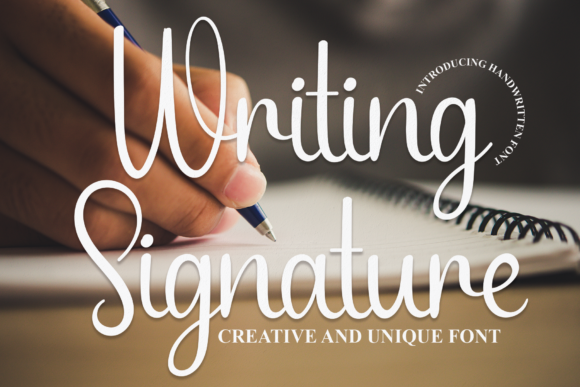
Finding a font that feels genuinely personal can be a challenge. Many script fonts look mechanical or overly stylized, losing the natural warmth of a handwritten note. Writing Signature takes a different approach. It’s a carefully crafted magical script font designed to infuse a touch of elegance into any project. The character set flows with a natural rhythm, mimicking the subtle variations of real handwriting. You’ll notice slight inconsistencies in baseline and letter connections, which is exactly what gives it an authentic, human touch. This isn’t just another display font; it’s a typeface with personality, perfect for adding a layer of sophistication without feeling stuffy.
The visual style of Writing Signature strikes a balance between classic calligraphy and modern design. It features graceful swashes, thoughtful ligatures, and a medium contrast in stroke weight that ensures it remains legible even at smaller sizes. Its overall appeal lies in its versatility—it feels both timeless and contemporary. Whether you’re designing a logo for a boutique brand or crafting social media graphics for a lifestyle blog, this font adapts to the context, enhancing the message rather than overwhelming it.
Where This Font Truly Shines: Practical Applications
Understanding where a font works best is key to using it effectively. Writing Signature excels in projects that require a personal, artisanal, or elegant feel. It’s an excellent choice for brand identity work, particularly for businesses that want to convey approachability and craftsmanship. Think wedding planners, boutique hotels, artisan bakeries, or personal coaching services. The font’s character helps build a recognizable visual identity that feels curated and thoughtful.
In the realm of digital design, this script font is incredibly useful. It can elevate web design headers, hero text, and call-to-action buttons, drawing the eye without sacrificing readability. For social media graphics, especially on platforms like Instagram or Pinterest, it’s a powerful tool. A quote, announcement, or promotional message set in Writing Signature can stop the scroll, giving your content a distinctive, polished look that stands out in a crowded feed. It’s also a fantastic resource for DIY projects—creating custom invitations, greeting cards, or personalized stationery becomes straightforward with a font that already carries so much stylistic weight.
For publishing and editorial design, use it sparingly but strategically. It works beautifully for chapter titles, pull quotes, or decorative elements in a magazine layout or book cover. In packaging design, it can add a premium, handcrafted feel to product labels, especially for cosmetics, gourmet foods, or handmade goods. The key is context; Writing Signature isn’t meant for body copy in a technical manual, but it’s perfect for the headline that introduces a heartfelt story.
Making Informed Design Choices with a Script Font
Choosing any premium font requires careful consideration. Start by evaluating your project’s core message. Does it call for warmth, elegance, or personal connection? If yes, Writing Signature is likely a strong candidate. Test it in your specific design environment. View it at the size you’ll use most often. Check how it renders on both screen and print. A font that looks stunning in a design mockup might lose detail when printed on textured paper, so always do a physical test if your project is for print.
Font pairing is critical for a script font. Because Writing Signature has a lot of character, it needs a simpler counterpart to create balance. A clean sans serif font or a sturdy serif font for body text will provide excellent contrast and ensure your overall design remains readable and professional. Avoid pairing it with another highly decorative or handwritten font, as this can create visual chaos. The goal is hierarchy, where the script font draws attention to key elements and the supporting font delivers detailed information clearly.
Finally, always review the licensing and available styles. Check if the font includes multiple weights, stylistic alternates, or extensive language support. For commercial projects, ensure the commercial font license covers your intended use, whether it’s for a client’s logo, merchandise, or digital products. Writing Signature is a valuable design asset, and using it correctly will enhance your project’s professionalism, strengthen brand recognition, and engage your audience on a more personal level. It’s a tool that, when used thoughtfully, can transform a simple idea into a true piece of art.