Catalina: A Modern Script Font with Timeless Charm
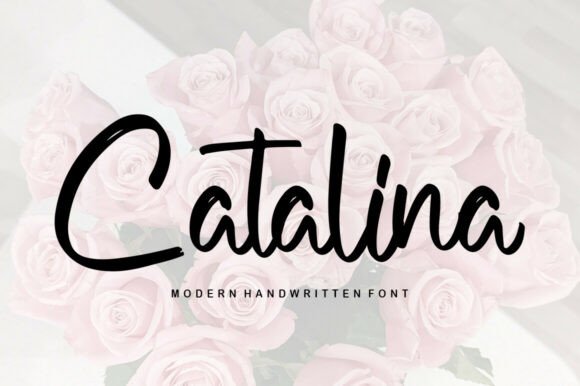
There’s something undeniably magnetic about a typeface that balances elegance with approachability. Catalina is exactly that kind of creative font—a script font that feels both refined and playful. Its flowing letterforms carry a sense of spontaneity, yet each curve and connection is carefully crafted to maintain legibility. Unlike overly ornate calligraphy fonts that can overwhelm a design, Catalina strikes a sweet spot: it’s decorative enough to add personality, but clean enough to remain functional.
What makes Catalina stand out in a crowded market of premium fonts is its versatility. It’s not just another handwritten font that looks good on wedding invitations. Yes, it excels there, but its modern typography DNA allows it to adapt to contexts far beyond traditional stationery. Think social media graphics, brand logos, product packaging, and even editorial layouts. The font’s subtle inconsistencies—slight variations in stroke width and baseline—give it an organic, human touch that feels authentic without looking messy.
Where Catalina Truly Shines: Real-World Applications
If you’re a designer or entrepreneur building a brand identity, choosing the right typeface can make or break your visual communication. Catalina works exceptionally well for projects that need to convey warmth, creativity, and a personal touch. Imagine it on a bakery’s logo, a boutique clothing tag, or a wellness brand’s website header. The font’s gentle curves and fluid connections evoke trust and friendliness—qualities that resonate with audiences seeking genuine connections.
For packaging design, Catalina adds a layer of sophistication without feeling stuffy. Picture it on a artisanal candle label, a handmade soap box, or a gourmet chocolate wrapper. The script font style suggests craftsmanship and care, aligning perfectly with products that have a story to tell. In editorial design, it can be used sparingly for pull quotes or chapter headings in lifestyle magazines, injecting personality into otherwise minimal layouts.
Digital creators will find Catalina equally valuable. It’s a strong contender for social media graphics, especially for Instagram stories, Pinterest pins, or YouTube thumbnails where a quick, engaging visual is key. The font’s readability at smaller sizes makes it practical for subtitles or call-to-action text, though it’s wise to pair it with a cleaner sans serif font for body copy to ensure clarity.
Pairing Catalina with Other Fonts: A Practical Guide
One of the most common questions designers have about script fonts like Catalina is how to pair them effectively. The golden rule? Contrast without conflict. Because Catalina has a distinctive personality, it pairs best with neutral, structured typefaces that don’t compete for attention.
For a timeless combination, try pairing Catalina with a classic serif font like Playfair Display or Lora. The serif’s sharp, defined edges will balance the script’s fluidity, creating a hierarchy that’s both elegant and easy to read. If you prefer a more contemporary look, a geometric sans serif font such as Montserrat or Raleway works beautifully. The clean lines of the sans serif provide a modern backdrop that lets Catalina’s charm take center stage.
When testing font pairings, consider the context. For a wedding invitation suite, you might use Catalina for the couple’s names and a refined serif for the details. For a restaurant menu, Catalina could highlight dish names while a sans serif handles descriptions. Always preview the combination in your actual design environment—what looks good in a font specimen might behave differently in a crowded layout.
Evaluating Catalina for Your Next Project
Before committing to any commercial font, it’s worth taking a step back to evaluate whether it truly fits your project’s needs. Start by examining Catalina’s character set. Does it include the glyphs and ligatures you need? Many premium fonts come with alternates and stylistic sets that allow for customization—swapping out a particular ‘g’ or adding a flourish to a capital letter can make a big difference in the final design.
Readability is another critical factor. While Catalina is designed to be legible, it’s still a script font, which means it’s best suited for short bursts of text rather than long paragraphs. Test it at the size you plan to use it. Does it hold up on a mobile screen? Is it clear when printed on textured paper? If you’re working on a web design project, check how the font renders across different browsers and devices.
Licensing is often overlooked but essential. Ensure the font’s license covers your intended use—whether for personal projects, client work, or commercial products. Most commercial fonts like Catalina come with clear licensing terms, but it’s your responsibility to verify them. A font is a design asset, and respecting its licensing protects both you and the type designer.
Beyond Aesthetics: How Catalina Influences Brand Perception
Typography does more than display words; it shapes how your audience feels about your brand. Catalina’s blend of elegance and approachability can position a brand as both professional and personable. This is particularly valuable for small businesses and creators who want to stand out in competitive markets without appearing cold or overly corporate.
Consistency is key in branding, and using Catalina across multiple touchpoints—from your website to your packaging to your social media—reinforces recognition. It becomes part of your visual identity, helping customers instantly connect with your style. However, avoid overusing it. A display font like Catalina works best as an accent, not the workhorse of your typography system.
Ultimately, choosing a font is a strategic decision. Catalina isn’t just a pretty face; it’s a tool that can enhance communication, evoke emotion, and build trust. Whether you’re designing a logo, crafting a wedding invitation, or creating a social media campaign, this modern script font offers a blend of beauty and practicality that’s hard to ignore. Take the time to experiment, test pairings, and consider how it aligns with your project’s goals—and you might just find that Catalina is the missing piece in your creative toolkit.